






Top-Top Info Worldwide is a popular online newsportal and going source for technical and digital content for its influential audience around the globe.

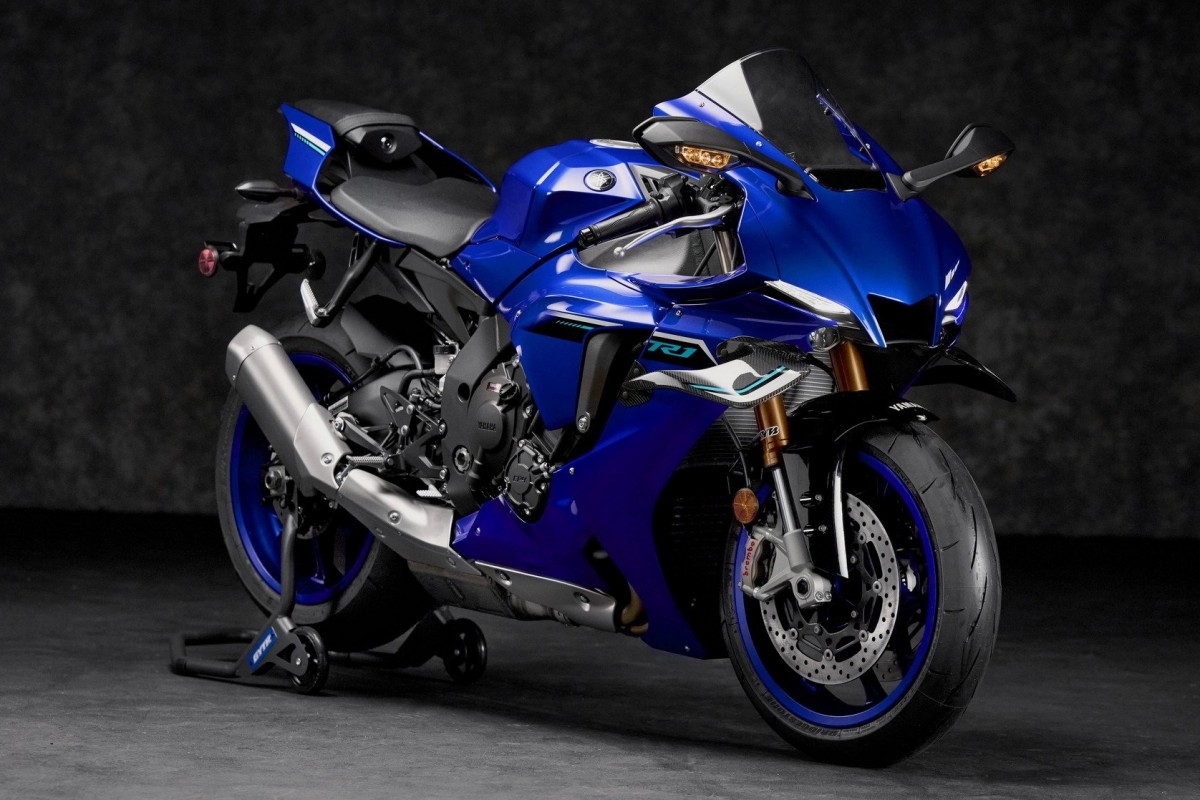
Yamaha YZF-R1
There's a reason why the Yamaha R1 is so incredibly popular . Built for the masses, the R1 manages to retain MotoGP-like qualities along with a stunning design and an ultra-modern engine that won't let you down no matter what you throw at it.
Yamaha also leads the way in Consumer Reports' review of manufacturer reliability, and the R1 is as reliable as it gets. While this liter-class superbike isn't for beginners, it's incredibly fast, offers fantastic electronic driver aids and above all, it's a machine you can rely on every day.
Suzuki GSX-R1000R
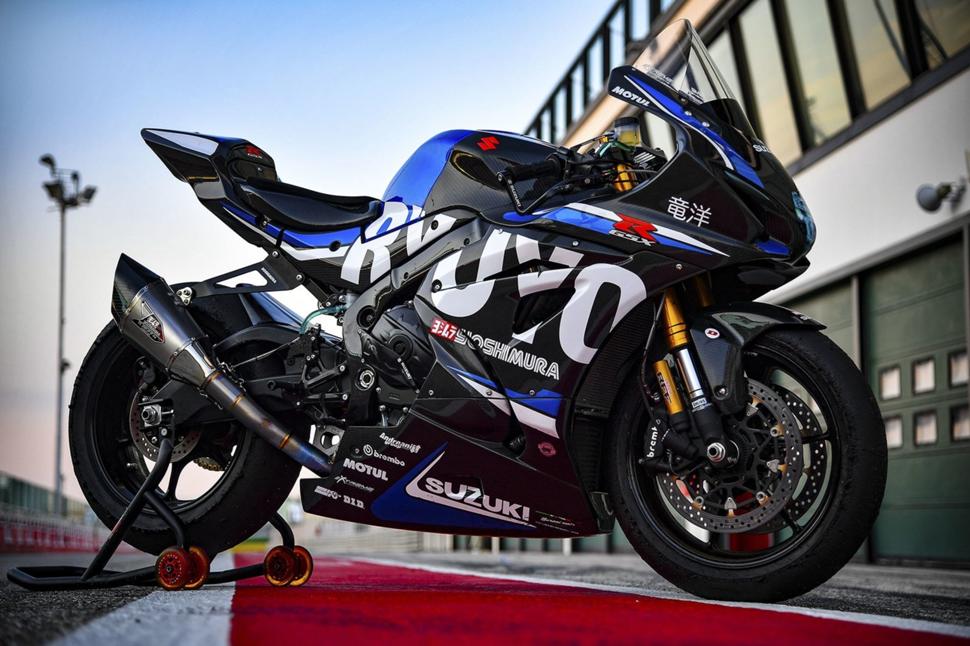
We really can't rate the Suzuki GSX-R1000R superbike enough . One of today's best liter-class superbikes, the Suzuki R1000R offers everything a motorcyclist needs: refinement, performance, maneuverability, power and speed, and above all, reliability.
Suzuki Hayabusa
No one can deny that the Suzuki Hayabusa is simply the most popular and legendary superbike in the world. The 25-year-old Suzuki Hayabusa has truly established itself as a legend in the motorcycle world with its unrivaled power and heritage.
With a high-performance motorcycle like the Hayabusa , mechanical or electronic devices can easily fail, but Suzuki has always strived to provide reliable and trouble-free performance. Today's Suzuki Hayabusa models in particular are more advanced than ever before, ensuring that you get all the power, performance and thrills of a motorcycle without the need for constant trips to the service station.
Honda CBR-1000RR
Honda's 12% failure rate puts it in second place in Consumer Reports' reliability survey, right next to Suzuki. In the superbike segment, few motorcycles command as much reverence and respect as the Honda CBR 1000RR , and rightly so.
By creating the CBR 1000RR, Honda has created the perfect track toy that feels as relaxed and comfortable on the highway as it does in the tightest corners on the racetrack.
BMW S1000RR
Seeing a German BMW superbike among the rest of the Japanese motorcycles may come as a surprise, but the liter class segment is really incomplete without mentioning the BMW S1000RR . While the 40% failure rate of BMW motorcycles may be perplexing, especially on this list, you'll find that the BMW S1000RR is a pretty reliable superbike, especially after its redesign for 2019.
Every high-performance motorcycle needs maintenance, and the BMW S1000RR is no exception . However, from what we surmised after browsing online forums, the BMW S1000RR turned out to be a pretty reliable motorcycle, if well looked after and maintained, won't give you any problems.
Honda CBR-600RR
Honda has built a reputation for building reliable motorcycles that rarely let you down, and in the supersport category, the CBR is a superbike icon
The CBR-600RR is a fantastic superbike for beginners, but veterans can also enjoy riding it for a lifetime. Plus, with its bulletproof reliability, the Honda CBR 600R can easily outlast you.
Kawasaki Ninja ZX-10R
Among the world-renowned Kawasaki Ninja series, it's safe to say that the ZX-10R is the king of the mountain . The Ninja ZX-10R, epitomizing sportbike design, has always stood out among the rest.
Again, Kawasaki's bronze position in terms of motorcycle manufacturer reliability plays in their favor. When you throw your leg over this beautiful super sport machine and expect it to confidently accelerate you to the 320km/h mark, you'll also have peace of mind knowing that you can trust the motorcycle's reliability.
Kawasaki Z900
The Kawasaki Ninja series from the Japanese motorcycle brand is not the only one to offer a handling, reliable and fast motorcycle. The Kawasaki Z900 is designed for those who want all the power and road handling of a great sportbike, but without the fully streamlined chassis or aggressive stance that characterizes such a superbike.
Kawasaki motorcycles have only gotten better and more reliable over the years, and you'll be hard pressed to find anyone complaining about their experience riding a Kawasaki Z900.
Yamaha YZF-R7
Yamaha discontinued its extremely famous R6 in 2020 to replace it in 2022 with the YZF-R7. In Consumer Reports' review of motorcycle manufacturer reliability, Yamaha was found to be the most reliable motorcycle manufacturer with a failure rate of just 11% among all major manufacturers.
In addition, even the uninitiated know about the bulletproof Japanese reliability that Yamaha brings to each of its motorcycles. Thus, the Yamaha R7 is not only a fantastic racing weapon and a monstrous superbike, but one that can compete with many liter-class machines for its money on the race track.
Kawasaki Ninja 650
The Kawasaki Ninja has been one of the most popular and reliable series of sportbikes and superbikes . Whether you are a beginner and choose the Ninja 400 , or you opt for the more serious Kawasaki Ninja 650, the Kawasaki Ninja series cannot fail to be recommended.
The Ninja 650 is a fantastic offering as a beginner's motorcycle and the reason we have included it on this list is because this 649cc motorcycle is capable of reaching speeds of 210 km/h and with almost 70 horsepower, the Kawasaki Ninja 650 keeps up with the liter class motorcycles, especially on the track.
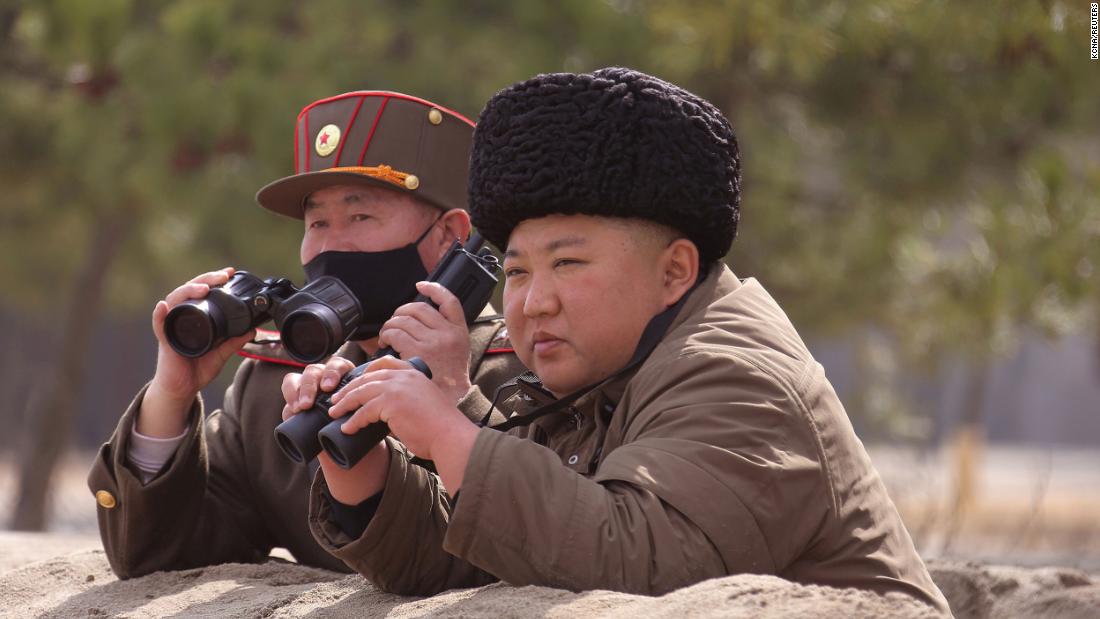
A list of the world's youngest presidents looks simple until definitions are applied. Some presidents direct the government; others perform mainly ceremonial duties while a prime minister governs. Several countries have collective presidencies, rotating offices or transitional leaders installed after military takeovers. Acting officials may serve for days, and election dates differ from inauguration dates. Any responsible comparison needs a date stamp and a clearly defined population.
As of September 2026, several sitting presidents are in their late thirties or forties. Ibrahim Traoré of Burkina Faso, born in March 1988, holds the transitional title President of Faso after taking power in the 2022 military overthrow. Daniel Noboa of Ecuador, born in November 1987, became president through an election and later won a full term. Montenegro's Jakov Milatović, born in December 1986, holds a presidency with constitutional powers that differ from Ecuador's executive office. These examples are close in age but not institutionally equivalent.
Vjosa Osmani of Kosovo, born in May 1982, serves as head of state in a parliamentary system. Nayib Bukele of El Salvador, born in July 1981, is an executive president whose reelection and concentration of power have generated constitutional and human-rights scrutiny. Senegal's Bassirou Diomaye Faye, born in March 1980, took office in 2024 after winning an election delayed during a period of political tension. Mohamed Muizzu of the Maldives, born in June 1978, and Andry Rajoelina of Madagascar, born in May 1974, also fall well below the global median age reported for national leaders.
The point is not to praise youth automatically. Age says little by itself about democratic legitimacy, policy competence, civil liberties or public outcomes. A 38-year-old transitional military ruler and a 38-year-old elected civilian president should not be presented as interchangeable symbols of generational change.
Age comparisons can reveal generational patterns and prompt useful questions about barriers to office. Constitutions often impose minimum ages, political parties control access to nominations, and campaign finance or seniority can favor older candidates. Yet a leader's age cannot explain how power is exercised. Institutions, checks and balances, electoral conditions, security forces and civic space matter more.
The United Nations Protocol and Liaison Service maintains a current list of heads of state and government based on information from member-state missions, but it does not rank them by age. That is the right starting point: verify who holds each office, then consult official biographies for birth dates and constitutional sources for the role. A transparent method is more valuable than a fleeting top ten.
Sources: United Nations: Current heads of state and government; Presidency of Burkina Faso: Ibrahim Traoré biography; Presidency of Ecuador; President of Montenegro; Pew Research Center: Leader-age methodology.

The claim that women as a group have stopped respecting men turns a relationship problem into a stereotype. It treats respect as something one partner owes because of sex, rather than something both people express through safety, honesty, responsibility, and regard for autonomy. Social expectations do change, but equality is not disrespect. A healthier question is: which repeated patterns make partners feel devalued, and what can each person do about them?
Conflict is inevitable. Respect erodes when criticism shifts from behavior to identity: from “this task was left undone” to “you are useless.” Mockery, sneering, humiliation, and hostile generalizations communicate that the other person is beneath consideration. The same is true when contempt hides inside jokes and the target is told to accept them.
A repair begins with specificity. Describe the observable event, its effect, and the change requested. Avoid diagnosing motives. If a conversation becomes degrading, pause it and agree on a time to return. A boundary is not punishment; it defines the conditions under which discussion can remain safe and productive.
Trust weakens when promises are repeatedly broken or when one partner carries an invisible share of planning, caregiving, emotional support, household work, or financial management. The problem is not that every task must be divided exactly in half. It is that both people need meaningful input and a shared understanding of what counts as contribution.
Make the workload visible. List recurring tasks, who owns them from planning through completion, and how often responsibilities will be reviewed. Include rest and discretionary time, not just chores. If money is shared, both partners should be able to understand accounts, obligations, and major decisions.
Monitoring a phone, isolating someone from friends, controlling money, sabotaging contraception, threatening self-harm to prevent a breakup, or making a partner afraid are not ordinary communication styles. They are warning signs of coercive control or abuse. Respect cannot be rebuilt through better phrasing while intimidation continues.
Safety comes first. A person experiencing abuse is not responsible for fixing the abusive partner. Private support from a trusted advocate can help with safety planning. Joint counseling may be inappropriate where coercion or violence is present because disclosures can increase danger.
Relationships can become rigid when each person is assigned a role: provider, caretaker, rational one, emotional one, pursuer, or problem. Gender stereotypes reinforce these boxes and can make ordinary needs feel like failures of masculinity or femininity. Curiosity is a practical form of respect because it allows the other person to be more than a fixed story.
Ask open questions without preparing a rebuttal. Revisit goals, affection, family roles, work pressure, sex, health, and boundaries as circumstances change. Listening does not require agreement; it requires accurately understanding what was said before responding.
A licensed couples therapist can help with entrenched conflict when both people can participate freely and safely. Individual therapy may be better when one person needs confidential support or the relationship includes fear. In immediate danger, contact local emergency services; in the United States, the National Domestic Violence Hotline offers confidential support and safety-planning resources.
Respect is not deference, obedience, or silence. It is the everyday practice of recognizing another person’s equal humanity while maintaining one’s own.
Sources: CDC: About intimate partner violence; World Health Organization; National Domestic Violence Hotline; American Psychological Association.
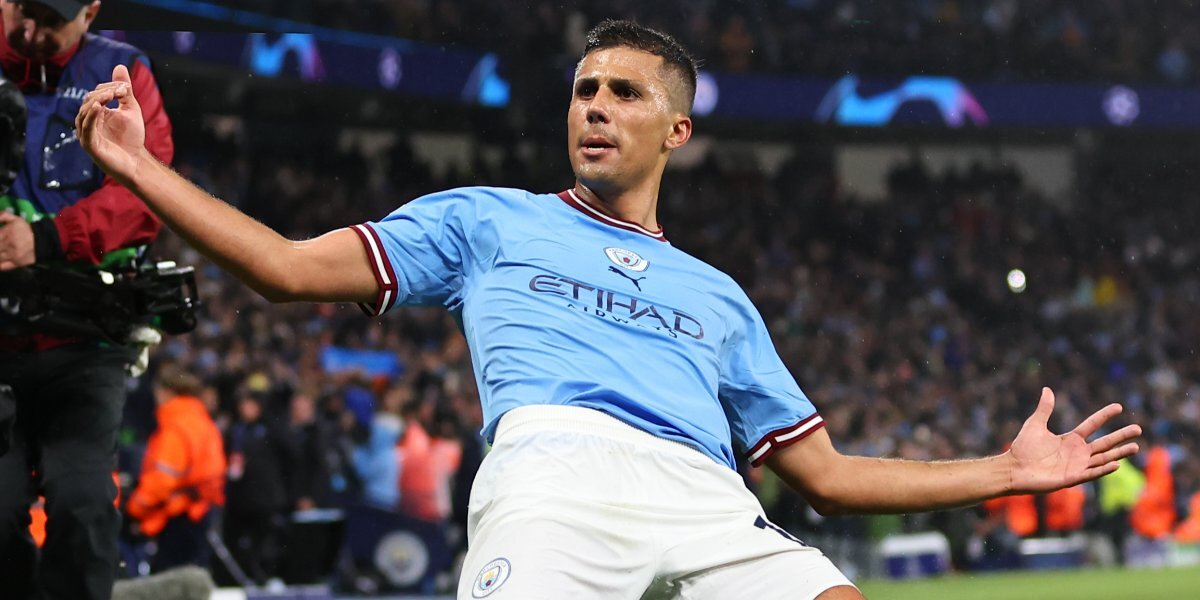
Manchester City and Spain midfielder Rodri has won the Ballon d'Or, the prize for the best footballer in the world according to UEFA, France Football and L'Equipe magazines.

The second half of the XIX century. Cuba. Havana. One of the largest centers of gambling entertainment in North and Central America: casinos, races, card betting. It is here - in 1856 - comes one of the most experienced European hustlers in world history. And he comes for a reason.
Top-Top Info Worldwide is a popular online newsportal and going source for technical and digital content for its influential audience around the globe.