









Top-Top Info Worldwide is a popular online newsportal and going source for technical and digital content for its influential audience around the globe.


One of the kings of the American underworld in the 1920s, Dutch Schultz was known for both fabulous wealth and monstrous avarice. Arthur Flegenheimer, nicknamed Dutch Schultz, was one of the most avaricious and cold-blooded gangsters of the Prohibition era. He commanded respect or sympathy from almost no one, including “his” men. Schultz was so stingy that he paid his cronies as little as circumstances allowed, and could fly into a murderous rage when someone asked for a raise.
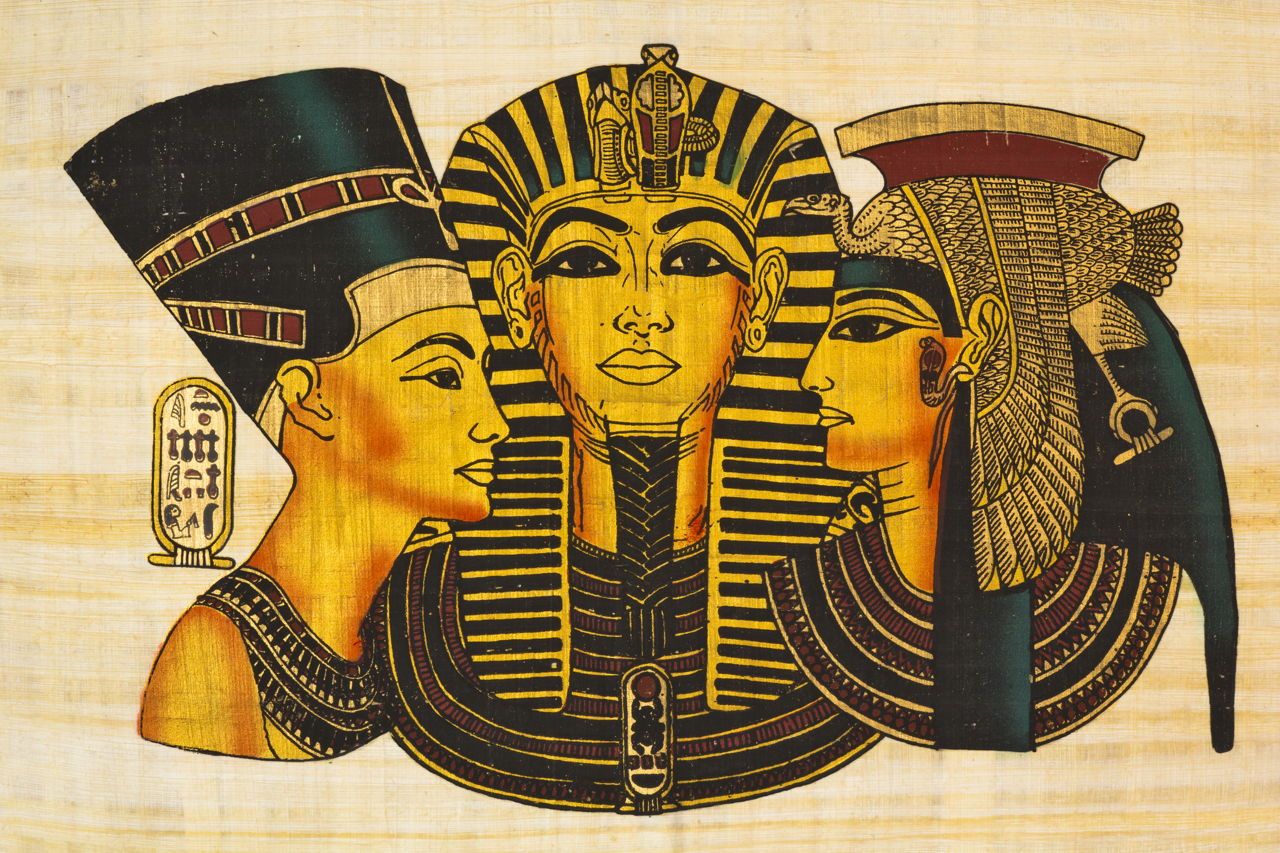
Ancient Egypt lasted for more than three millennia, so almost any claim beginning “the Egyptians always” deserves caution. Customs changed across periods, regions, and social classes. Archaeologists reconstruct daily life from settlements, tools, papyri, burials, art, and scientific analysis. Those sources reveal a society far more complex than a collection of pyramids, mummies, and pharaohs.
Evidence from workers’ settlements near Giza points to organized crews supplied with food, lodging, and medical care. The pyramids were built within a state system that mobilized skilled specialists and rotating labor, not by the vast enslaved workforce depicted in many films. Coercion and inequality existed in Egypt, but that does not make every monumental worker a slave.
Egyptian women could own and inherit property, enter contracts, bring legal actions, and divorce. Social life remained patriarchal, and opportunity varied by status, yet women possessed a legal identity unusual in some other ancient societies. A few women, including Hatshepsut, exercised royal power, though female pharaohs were exceptional.
Cleopatra VII ruled near the end of the Ptolemaic dynasty, established after Alexander the Great’s conquest. She lived closer in time to the present than to the construction of the Great Pyramid. Ancient Egyptian history was already enormously old when she governed, and her reign combined Egyptian royal traditions with the politics of the Hellenistic Mediterranean.
Monumental hieroglyphs are the most recognizable script, but scribes also used cursive hieratic and, later, demotic for administrative, literary, legal, and everyday texts. Literacy was specialized. Surviving documents include accounts, letters, mathematical exercises, legal disputes, jokes, and love poetry—not just sacred formulas.
Medical papyri contain practical descriptions of injuries, examinations, treatments, and prognoses. Healing also included spells and religious practices because Egyptians did not divide natural and supernatural causes as modern medicine does. Objects associated with treatment show a combined world of pharmacy, bodily knowledge, cleanliness, and ritual protection.
Egyptian figures were not drawn in composite poses because artists lacked skill. The convention presented each body part from an angle that communicated it clearly: head and legs in profile, eye and torso frontally. Scale often expressed status rather than optical distance. Art was designed to make identities and relationships legible and enduring.
Cats controlled pests in homes and granaries, lived as companions, and became associated with deities such as Bastet. The British Museum cautions that cats were not simply sacred in themselves. Some were bred for votive mummification, revealing a religious economy as well as affection for animals.
Razors, wigs, combs, oils, cosmetics, and mirrors appear in art and archaeology. In a hot, dusty environment, shaving and washing could aid comfort, while oils protected dry skin. Kohl carried aesthetic, social, religious, and possibly protective associations. Grooming practices differed by wealth and period.
Egypt was never isolated. The river enabled agriculture and internal transport, while trade, migration, diplomacy, and conquest linked Egyptians with Nubia, the Levant, the Mediterranean, and lands farther south. Foreign people, materials, technologies, and gods became part of Egyptian society in different eras.
Tomb paintings show farming, feasting, hunting, music, clothing, and craft, but they present an idealized world prepared for the dead. Archaeologists compare them with excavated houses, discarded objects, human remains, and written records. A beautiful image may reveal real tools or habits while also expressing status and hopes for eternity.
Be skeptical of claims that cover all Egyptians across thousands of years, depend on a single sensational anecdote, or treat religious symbolism as literal daily behavior. Strong explanations identify the period and type of evidence. Ancient Egypt becomes more surprising—not less—when myths give way to the texture of work, law, family, belief, and ordinary life.
Sources: Metropolitan Museum: The Art of Ancient Egypt; Met Museum: Medicine in Ancient Egypt; British Museum: Hieroglyphs resources; British Museum: Cats in Egypt; Penn Museum: Women in Ancient Egypt.

There is no single country with the “highest benefits.” The answer changes depending on what is being measured: public spending, unemployment replacement rates, disability support, family assistance, pensions, health coverage, housing help, or the amount a household receives after taxes.
The OECD’s Social Expenditure Database is one of the best sources for international comparisons because it applies a common framework across countries. It separates spending into areas such as old age, health, family, unemployment, disability, housing, and active labor-market programs. Even then, a high spending-to-GDP ratio does not guarantee that every claimant receives a large cash payment.
France, Finland, Belgium, Denmark, Austria, Germany, Italy, Sweden, and several other European countries frequently appear among the higher-spending OECD members. Their systems differ substantially. Some devote more resources to pensions, others emphasize public health services, childcare, paid leave, housing, or support for people unable to work.
Nordic systems are often described as generous because they combine broad public services with income protection and employment programs. They are also financed through comparatively high taxes. Eligibility is not automatic, and benefits may depend on residence, employment history, income, family circumstances, or participation in job-search programs.
A monthly payment cannot be compared fairly without considering local prices, taxes, rent, health-care costs, and the duration of support. A lower cash payment in a country with subsidized healthcare, childcare, and housing may provide more practical security than a larger payment where households must purchase those services privately.
Exchange rates create another distortion. Converting every payment into dollars can make benefits look larger or smaller when currencies move, even though the recipient’s domestic purchasing power has not changed by the same amount.
Unemployment insurance often reflects a worker’s previous earnings and contribution record. The replacement rate may decline over time, and recipients may need to remain available for work, document job searches, or participate in training. Separate means-tested assistance may exist for people who do not qualify for insurance.
Disability systems usually evaluate medical evidence, functional limitations, work capacity, contribution history, and household resources. Comparing only the headline payment ignores related services such as healthcare, mobility support, personal assistance, workplace accommodation, and housing adaptations.
Family support can include child allowances, paid parental leave, subsidized childcare, tax credits, school meals, and housing assistance. Countries that rely heavily on services or tax benefits may appear less generous if a comparison counts only direct cash transfers.
The United States operates a large but fragmented set of programs, including Social Security, Supplemental Security Income, unemployment insurance, Medicaid, Medicare, nutrition assistance, refundable tax credits, and housing assistance. Eligibility and benefit levels vary by program and sometimes by state. Claims that all unemployed people receive free housing, unlimited transportation, or a standard nationwide food payment are inaccurate.
Start by defining the household: unemployed worker, person with a disability, retiree, single parent, or family with children. Then compare:
Benefit rules change frequently. Anyone making a personal decision should confirm current eligibility with the responsible government agency rather than relying on an international ranking.
Sources: OECD Social Expenditure Database, OECD Social Benefit Recipients Database, OECD SOCX methodology

The Bank of Maldives and the opposition have been accused of trying to overthrow the country's president.
Stolen: Over $920 million
In Baghdad, another bank robbery took place, making it the largest in history. The mastermind behind it was none other than Iraqi dictator Saddam Hussein.
Top-Top Info Worldwide is a popular online newsportal and going source for technical and digital content for its influential audience around the globe.