








Top-Top Info Worldwide is a popular online newsportal and going source for technical and digital content for its influential audience around the globe.

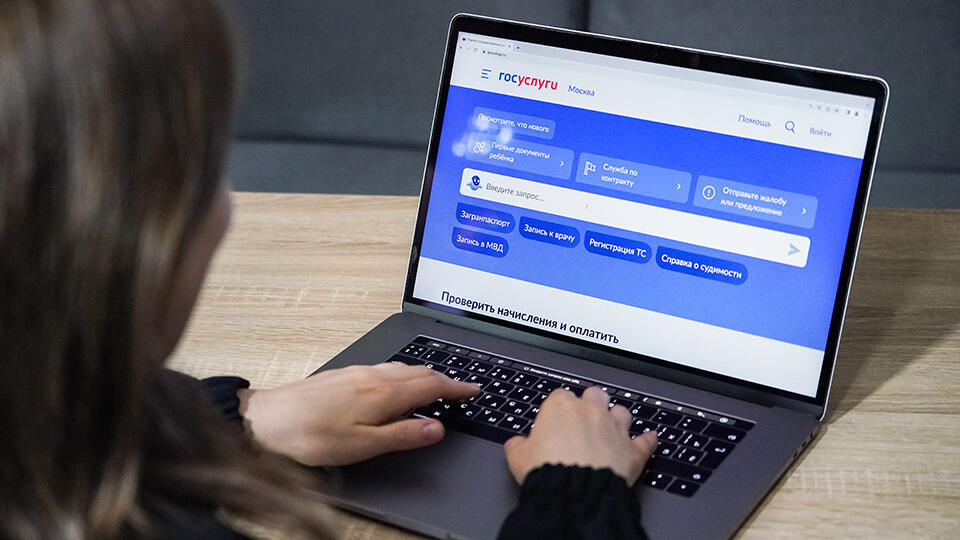
Russian users of the ‘Gosuslugi’ portal have started receiving alerts asking them to change the Gmail mail tied to their account to any other,reported Russian Media.

The US space advantage could shrink compared to other countries unless investment in space is increased, US deputy chief of space operations Michael Getlein said.

The electric vehicle (EV) market is more vibrant than ever in 2024, blending eco-friendliness with cutting-edge technology. Our top 5 EVs stand out for their impressive range, innovative tech, sleek designs, and overall driving experience.

Cyber incidents are rarely defeated by one product. Attackers combine stolen credentials, deceptive messages, unpatched software, excessive access, and weak recovery plans. The most useful response is layered: reduce the chance of entry, limit what a compromised account can reach, detect unusual activity, and prepare to recover. NIST’s Cybersecurity Framework organizes that work into Govern, Identify, Protect, Detect, Respond, and Recover.
Phishing attempts to make a person open a harmful attachment, visit a deceptive sign-in page, reveal information, transfer money, or approve access. Messages may imitate executives, vendors, banks, delivery services, or support teams. Generative tools can improve grammar and personalization, so awkward writing is no longer a dependable warning sign.
Defenses: Verify sensitive requests through a known second channel. Use bookmarks or a trusted app instead of message links for important accounts. Deploy email filtering and domain protections where possible. Give staff a simple way to report suspicious messages without punishment for good-faith mistakes.
Passwords are stolen through phishing, malware, breaches, and reuse across sites. Automated login attempts can turn one leaked password into access to email, cloud storage, payroll, or social accounts. Email is especially important because it often controls password resets elsewhere.
Defenses: Use a password manager to create a unique password for every account. Turn on multifactor authentication, prioritizing phishing-resistant security keys or passkeys when available. Protect account-recovery methods and remove old phone numbers, sessions, and app connections.
Ransomware can encrypt systems, steal data for extortion, or both. Organizations may face operational shutdowns, privacy obligations, financial loss, and uncertain restoration even if a payment is made. Initial access often comes through compromised credentials, exposed remote services, phishing, or unpatched vulnerabilities.
Defenses: Maintain tested backups separated from normal administrative access. Patch internet-facing systems quickly, limit remote access, segment important networks, and use endpoint monitoring. Decide before an incident who can isolate systems, contact counsel or insurers, preserve evidence, and communicate with customers.
Software flaws are discovered continually. Once a vulnerability is publicly documented, attackers may scan for exposed systems at scale. Routers, cameras, appliances, browsers, plugins, and unsupported operating systems can all become entry points.
Defenses: Enable automatic updates for consumer devices and applications. Organizations should keep an asset inventory, identify externally exposed services, prioritize vulnerabilities known to be exploited, and replace products that no longer receive security fixes. Remove unused software and close unnecessary services.
An organization may be reached through a software provider, managed service company, contractor, library, update mechanism, or cloud integration. Third-party access can be highly privileged, and a trusted connection may bypass defenses aimed at unknown outsiders.
Defenses: Inventory critical vendors and integrations. Grant the minimum access required, use separate accounts, require MFA, review logs, and remove access promptly when a contract ends. Evaluate how providers disclose incidents, secure updates, manage subcontractors, and support recovery.
Use a known-clean device to change affected credentials, starting with email and financial accounts. End active sessions, review forwarding rules and recovery settings, notify the relevant provider, and preserve messages or logs. Organizations should follow their incident-response plan rather than improvising destructive cleanup that could erase evidence.
The goal is not perfect prevention. It is to make common attacks harder, detect them sooner, restrict their reach, and recover without depending on an attacker’s cooperation.
Sources: CISA: Secure Our World; NIST Cybersecurity Framework; NIST ransomware guidance; FBI Cyber Crime; FTC phishing guidance.

The gaming industry continually evolves with technology, offering gamers increasingly immersive experiences. Here's a brief look at the top five technologies redefining gaming today.
Top-Top Info Worldwide is a popular online newsportal and going source for technical and digital content for its influential audience around the globe.