








Top-Top Info Worldwide is a popular online newsportal and going source for technical and digital content for its influential audience around the globe.


Brigitte Bardot's image circulated through films, magazines, songs, interviews and political controversy for more than seven decades. Quote lists often detach a sentence from its date, language and publication, and some reproduce translations that cannot be traced to a reliable record. A better introduction is to examine the documented themes that shaped her public life. Bardot, who lived from 1934 to 2025, left a legacy that is culturally important and deeply contested.
Bardot can be historically influential without serving as an uncomplicated role model. Her screen characters expanded the visible possibilities for female desire in postwar popular culture, yet many films also depended on objectification. Her animal advocacy mobilized attention, while some arguments were expressed through discriminatory generalizations. These facts belong in the same biography.
Readers looking for her exact words should prefer dated interviews, books, archival broadcasts or court records in the original French. A quotation should identify the source and translator; unattributed image cards are not evidence. For understanding the actor, watching the films is more revealing than collecting slogans. And God Created Woman, La Vérité and Le Mépris show three very different uses of her persona: explosive star-making, dramatic judgment and critical reflection on celebrity.
A mature assessment does not need to choose between icon and villain. It can recognize cinematic innovation, media exploitation, personal agency, effective advocacy and harmful political speech. That tension—not a polished list of pleasant sayings—is what makes Bardot a consequential figure in twentieth-century French culture.
Sources: British Film Institute: Brigitte Bardot obituary; BFI: Five Bardot films; BFI: Le Mépris; Fondation Brigitte Bardot.
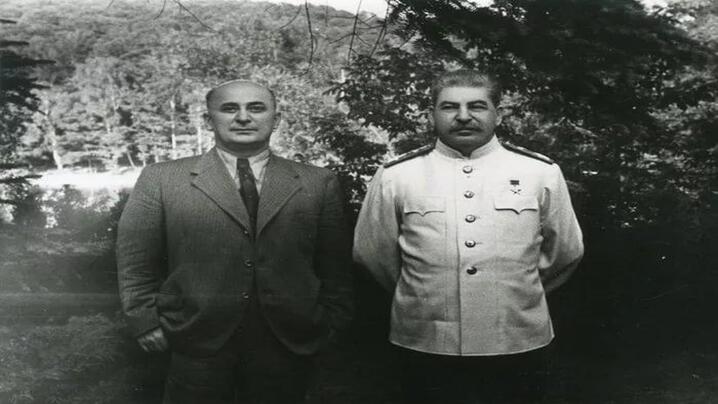
Lavrentiy Pavlovich Beria was born on March 29, 1899, to a poor Megrel family in the village of Merkheuli, Abkhazia. He was known as one of the most vicious and mysterious figures of Stalin's era. In 1931, Beria first met Joseph Stalin while the latter was on vacation in Georgia. There are conflicting stories about Beria's relationship with Stalin, with some claiming he saved Stalin from an assassination attempt, while others suspect he staged the attempt himself.

Larry Brown is the only coach in basketball history to have won both an NCAA and NBA title. He successfully transformed the Nets, Spurs, Clippers, and Pacers from longtime losers into winning teams. In 2004, he led the Pistons to a championship victory over a Lakers team with four future Hall-of-Famers. Throughout his illustrious basketball career, Brown accumulated nearly 1,300 wins.
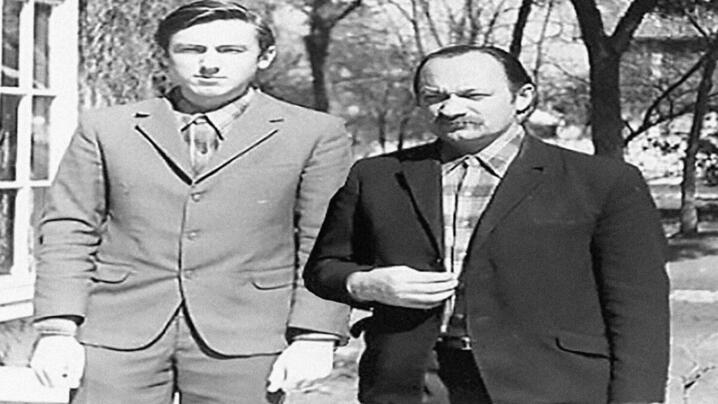
In 1970, Pranas became the subject of the KGB's investigation. They started uncovering his history from the war era. Details emerged about his alleged participation in the execution of Jews in 1944, as well as the killing of a law enforcement officer. It should be noted that these accusations have not been substantiated. However, even prior to these events, Brazinskas and his son Algirdas made the decision to flee from the Soviet Union.
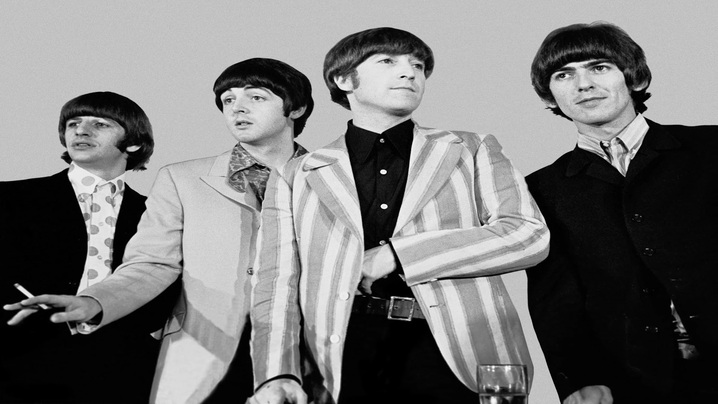
After being overwhelmed by the constant screams of teenage girls, the Beatles made the decision to permanently retire from touring. However, they still desired to showcase their songs in a cohesive manner, similar to a live concert. To achieve this, they created a fictional band name based on one of their existing songs and presented their album as if it were a performance by this imaginary group.
Top-Top Info Worldwide is a popular online newsportal and going source for technical and digital content for its influential audience around the globe.