








Top-Top Info Worldwide is a popular online newsportal and going source for technical and digital content for its influential audience around the globe.

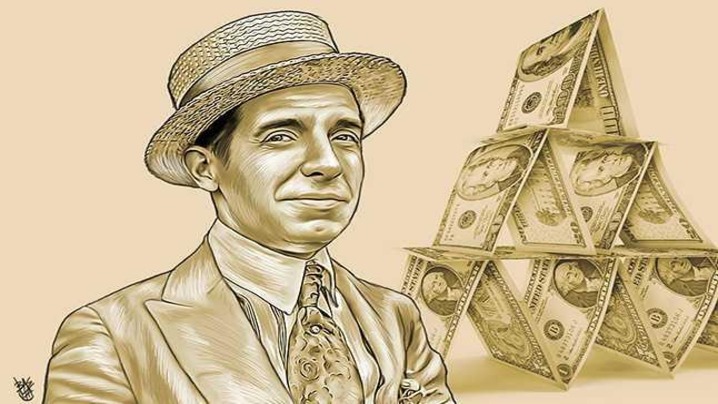
Charles Ponzi arrived in Boston in November 1903 on the S.S. Vancouver. In his autobiography, "The Rise of Mr. Ponzi," he claimed to have left Italy with $200 but arrived in America with much less. Ponzi stated that the $200 had dwindled down to $2.50 during the journey, with most of it being taken by a card sharp and the rest spent on tips and the bar. Over the next few years, Ponzi managed to learn English and took on various odd jobs.

The fabric of world history is woven with events that have irrevocably changed the course of human development, culture, and society. From the dawn of civilization through to the modern era, certain turning points have had profound impacts that resonate through time. This article explores ten pivotal moments that have not only defined generations but have also shaped our contemporary world.

The march of human progress is often punctuated by groundbreaking inventions that have fundamentally transformed society. From the earliest tools of primitive humans to the sophisticated technologies of the modern era, certain inventions have sparked revolutions that reshaped the world in unimaginable ways. This article delves into the "Top 10 Revolutionary Inventions Throughout History," highlighting the innovations that have had the most profound impact on human civilization.
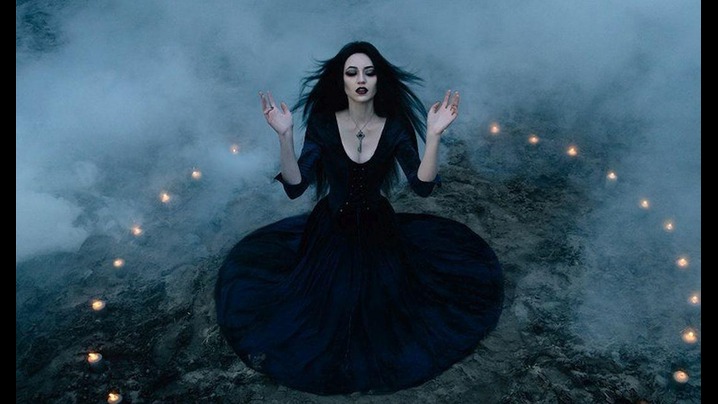
A list of history’s “most powerful witches” mixes categories that should remain separate. Circe is a mythic character. Morgan le Fay is literary. Baba Yaga belongs to a changing body of folklore. Tituba and the Pendle defendants were real people caught in legal systems that treated witchcraft as a capital crime. Distinguishing those categories makes the stories more interesting and avoids presenting persecution as proof of supernatural power.
In Homer’s Odyssey, Circe lives on the island of Aeaea and transforms Odysseus’s companions into swine. She is dangerous, but she later becomes a host and adviser who helps Odysseus continue his journey. Later Greek and Roman writers, artists, and modern novelists repeatedly reinvented her. Calling Circe a historical witch would be a mistake; she is a mythological figure through whom storytellers explore knowledge, desire, hospitality, and fear of female autonomy.
Morgan appears across medieval Arthurian traditions rather than in one fixed original story. Early versions can present her as a healer or supernatural woman connected to Avalon. Later romances increasingly cast her as an antagonist to Arthur, Guinevere, or the Round Table. Modern adaptations choose among these contradictory traditions. Her changing role is a reminder that famous legends are collaborative constructions: copyists, poets, translators, and filmmakers continually reshape the character to fit new ideas about gender and power.
Baba Yaga of Slavic folklore is often described as an old woman living in a hut that stands on birdlike legs. In folktales, however, she is not consistently good or evil. She may threaten a visitor, offer a necessary object, assign impossible tasks, or reward competence. Folklore works through variation, so there is no single authoritative biography. Baba Yaga endures precisely because she can represent wilderness, danger, wisdom, household authority, or the difficult boundary between childhood and independence.
Tituba was enslaved in the household of Samuel Parris in Salem Village. In 1692 she was accused of witchcraft and gave a confession shaped by questioning, coercive circumstances, and the beliefs of her interrogators. Later popular retellings invented details about her identity and practices, often using racial stereotypes. Surviving records support a more careful statement: she was a vulnerable enslaved woman whose testimony became part of an expanding prosecution. Treating her as a colorful sorceress hides the power imbalance at the center of her case.
In 1612, a group of people from the Pendle area of Lancashire were tried for witchcraft; ten were executed. The cases were recorded in a published account by court clerk Thomas Potts, a source that reflects prosecution priorities rather than a neutral transcript. Poverty, local disputes, religious tension, and King James I’s interest in witchcraft shaped the proceedings. The accused are sometimes marketed collectively as the “Pendle witches,” but that label should describe the accusation, not certify guilt.
These five examples show why the word witch requires context. In myth and folklore it can name a powerful, frightening, or liberating figure. In early modern court records it often marks a person targeted by neighbors and authorities. Reading the sources by genre—epic poem, romance, folktale, interrogation, or trial narrative—keeps imaginative traditions alive without confusing them with historical evidence.
Sources: Theoi collection of ancient texts on Circe; British Library on Arthurian legend; Library of Congress Slavic folklore collection; University of Virginia Salem Witch Trials archive; Lancashire archives on the Pendle trials.
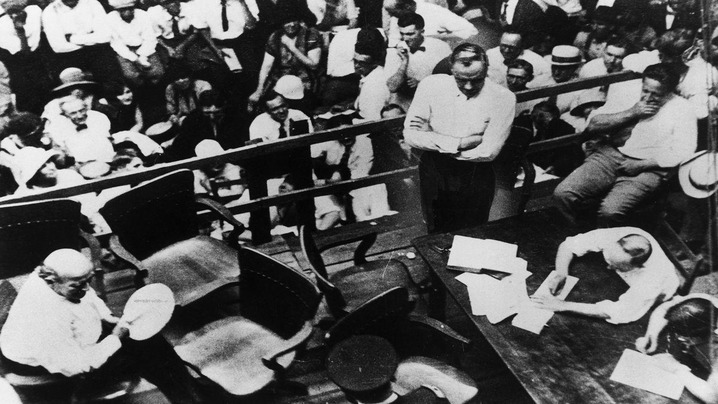
In 1925, creationism and evolution clashed in what came to be known as the Scopes Monkey Trial. At that time, it
Top-Top Info Worldwide is a popular online newsportal and going source for technical and digital content for its influential audience around the globe.