






Top-Top Info Worldwide is a popular online newsportal and going source for technical and digital content for its influential audience around the globe.

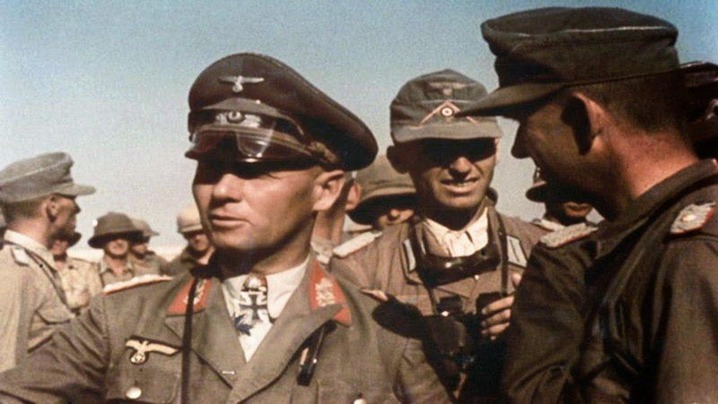
“Smartest general” is not a historical measurement. Intelligence tests are irrelevant to most commanders, and battlefield reputations are shaped by national memory, propaganda, resources, subordinates, and whether a side won. World War II also involved criminal regimes and immense civilian suffering, so tactical skill must not become moral praise. These five commanders are better understood through the different problems they faced and the consequences of their decisions.
As Supreme Commander of the Allied Expeditionary Force, Eisenhower coordinated forces from countries with different political interests and military traditions. His task involved allocating scarce landing craft, balancing air and ground priorities, choosing among competing plans, and maintaining working relationships among powerful subordinates. The Normandy invasion and subsequent campaign depended on industrial capacity and thousands of planners, not one man’s inspiration. Eisenhower’s particular strength was making a multinational command function under pressure.
Zhukov held senior commands in several of the Soviet Union’s most consequential campaigns, including the defense of Moscow, Stalingrad-era planning, and the final assault on Berlin. Soviet operations combined deception, artillery concentration, reserves, and attacks over broad fronts. They also incurred enormous casualties, and historians continue to debate Zhukov’s responsibility for particular losses and his later self-presentation. His career is best studied within the Red Army’s evolving operational system, rather than as a lone genius defeating Germany.
Montgomery emphasized training, clear plans, concentrated firepower, and restoring soldiers’ confidence. At El Alamein, the British Eighth Army attacked after a substantial buildup and with growing material superiority. In northwest Europe, his caution sometimes conflicted with American commanders who preferred faster exploitation. Operation Market Garden, which failed to secure a bridgehead across the lower Rhine, demonstrates the danger of an ambitious plan depending on a narrow timetable and optimistic assumptions.
Slim’s Fourteenth Army fought in terrain where monsoon weather, disease, mountains, and poor roads could be as dangerous as the enemy. He emphasized health, supply, realistic training, and morale while adapting Allied operations to Japanese infiltration tactics. The reconquest of Burma relied increasingly on air supply and on a diverse force drawn from Britain, India, Africa, and other parts of the empire. Any account should also recognize the colonial structure in which those soldiers served and the unequal ways their contributions were remembered.
Yamamoto supported the concentrated use of carrier aviation and planned the attack on Pearl Harbor. The operation achieved surprise and inflicted severe losses, but it did not destroy American carriers or critical fuel infrastructure. His later Midway plan dispersed forces and relied on drawing U.S. carriers into a trap; American intelligence and operational decisions reversed the trap, costing Japan four fleet carriers. Yamamoto shows that innovation at the operational level cannot rescue a war based on unfavorable industrial and political assumptions.
These cases suggest a better test of command: Was the objective politically coherent? Were intelligence and logistics treated seriously? Could the organization learn? Did the commander use subordinates well? What risks were imposed on soldiers and civilians? Those questions produce analysis. Calling a commander “smart” merely produces a slogan.
Sources: U.S. Army Center of Military History on Eisenhower; Encyclopaedia Britannica on Zhukov; National Army Museum on Montgomery; National Army Museum on Slim; U.S. Naval Institute on Yamamoto’s Midway plan.

The son of the famous butcher Jeffrey Hudson was introduced to the court of King Charles I of England at the age of eight or nine. At that time, the boy's height was only 37 centimeters.

Ruined cities invite dramatic stories, but an abandoned capital is not the same as a vanished people. Archaeologists usually find overlapping causes: shifting rivers, drought, warfare, changing trade, political fragmentation, disease, or migration. Descendant communities may remain even when a state or urban system ends. These ten examples are better understood as transformations than mysteries with a single hidden answer.
The strongest explanations combine environmental evidence, inscriptions, artifacts, human remains, and settlement surveys. They also avoid assuming that decline was inevitable or total. A city can lose power while its residents move nearby; a dynasty can end while language and identity endure. The question is therefore not “where did everyone go?” but “which institutions changed, who moved, and what continued?”
Sources: UNESCO on Mohenjo-daro; UNESCO on Angkor; National Park Service on Chaco Culture; UNESCO on Great Zimbabwe; UNESCO on Rapa Nui.
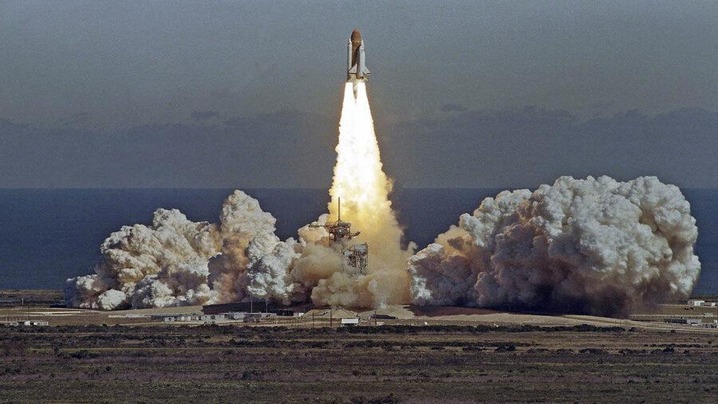
The disaster that occurred with Space Shuttle Challenger remains one of the worst space disasters in NASA’s history and it led to the deaths of all the crew members present on board.
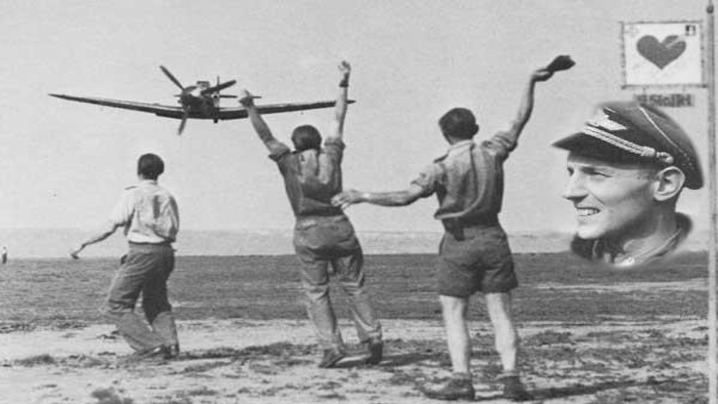
Lists of Luftwaffe aces often turn wartime claims into a sports table. That approach hides the circumstances that produced unusually high totals and can romanticize service to Nazi Germany. An aerial victory was an administrative credit for a claimed destroyed aircraft, not a neutral measurement of skill, morality or strategic effect. Verification standards varied by air force and theater, records were lost, and opposing losses do not always match claims.
German pilots also commonly remained in combat for far more missions than Allied pilots, who were often rotated into training or staff roles. Many leading Luftwaffe pilots fought for years on the Eastern Front against a large Soviet air force, creating repeated opportunities unavailable to pilots in shorter tours. A high total therefore reflects operational policy, exposure and survival as well as ability.
A serious assessment compares pilot reports, unit war diaries, witness statements and the loss records of the opposing air force. Even then, a one-to-one match may be impossible: aircraft can be damaged and recovered, multiple pilots can attack the same target, and time or location can be recorded incorrectly. The fog of war affected every side. Official credits are historical data, but they should retain the word credited.
Strategic context matters more than individual tallies. Despite experienced pilots and advanced aircraft, the Luftwaffe failed to prevent Allied air superiority. Fuel shortages, insufficient training replacements, industrial limits and attrition weakened the force. The human result was not a set of glamorous duels but mass death among aircrews and civilians across Europe.
These biographies can illuminate training, tactics and institutional choices only when the regime they served remains visible. Technical competence does not erase participation in an aggressive war conducted by a dictatorship responsible for genocide and other crimes. The most useful history examines records critically rather than converting them into admiration.
Sources: Air & Space Forces: 1940–1949 chronology; Air & Space Forces: Victory-credit methods; U.S. Naval History: Luftwaffe and Normandy; U.S. Holocaust Memorial Museum: World War II in Europe.
Top-Top Info Worldwide is a popular online newsportal and going source for technical and digital content for its influential audience around the globe.